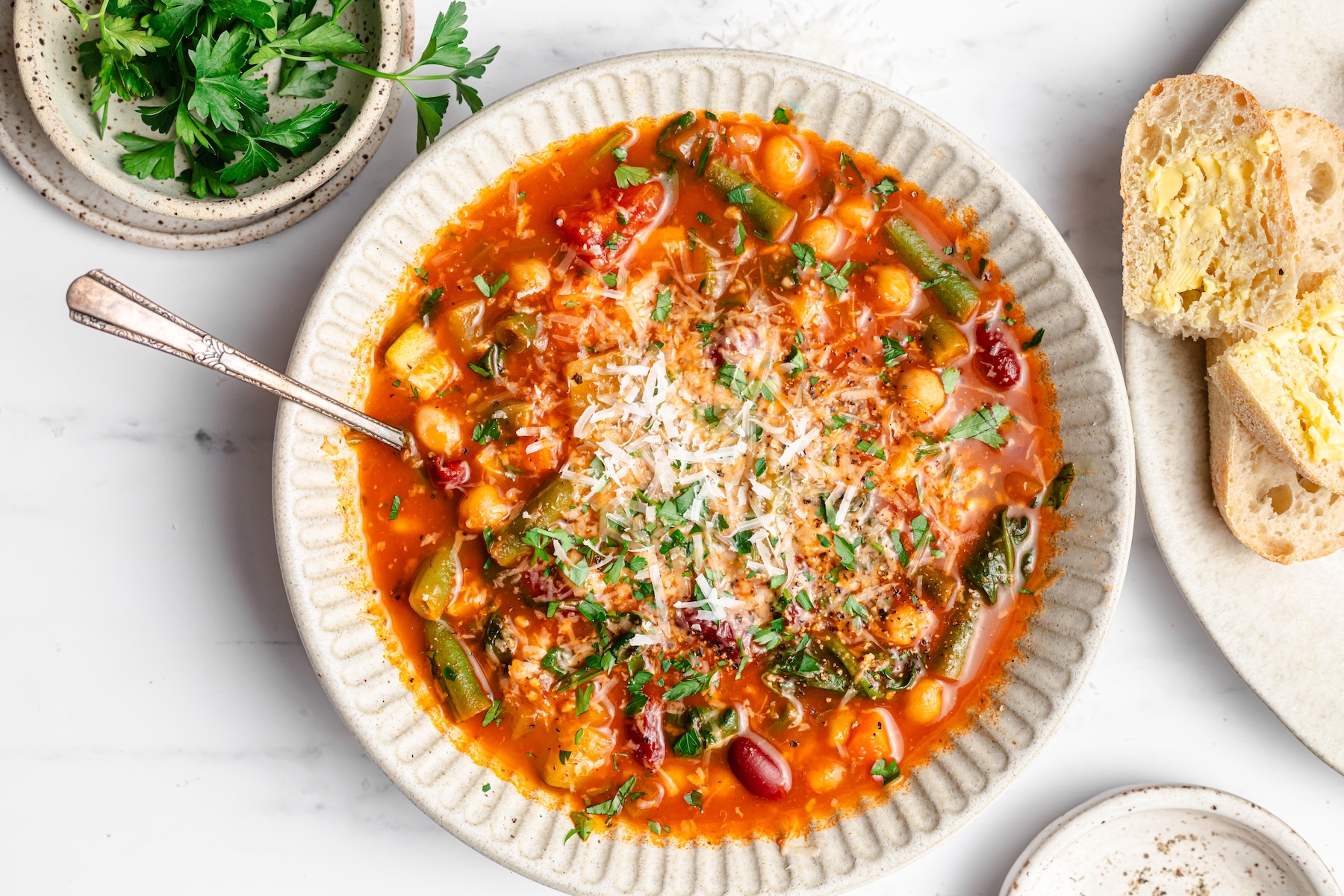
Feel-Good Healthy Minestrone: Quick & Easy Recipe for Wholesome Comfort
In a world bustling with demands, finding a meal that nourishes both body and soul can feel like a rare gem. Enter the homemade vegetarian minestrone soup – a vibrant, hearty, and unbelievably satisfying dish that’s deceptively simple to prepare. This isn't just any soup; it's a bowl of sunshine, packed with fresh vegetables, protein-rich beans, and tender pasta, all simmering in a rich, flavorful broth. Whether you're seeking a cozy meal on a chilly evening or a healthy boost any time of year, our quick and easy vegetarian minestrone soup recipe promises wholesome goodness in every spoonful, making you feel good from the inside out.
Forget bland, store-bought versions or restaurant imitations. Once you discover how effortlessly you can craft this flavorful soup from scratch, you'll wonder why you ever settled for less. It’s the ultimate comfort food that proves healthy eating can be both delicious and deeply satisfying. Get ready to transform simple ingredients into a culinary masterpiece that’s perfect for a family dinner or a delightful individual meal.
Why a Vegetarian Minestrone Soup is Your New Go-To Meal
There's a reason minestrone has endured as a beloved classic, and its vegetarian counterpart takes all its best qualities and elevates them. This isn't just about cutting out meat; it's about celebrating the bounty of the plant kingdom in a way that’s incredibly flavorful and profoundly healthy.
- A Nutritional Powerhouse: Our vegetarian minestrone soup is loaded with an impressive array of fresh vegetables – often eight or more! Think vibrant carrots, earthy spinach, crisp celery, sweet peas, and succulent zucchini, all contributing essential vitamins, minerals, and fiber. Coupled with protein-rich beans (chickpeas, kidney beans, cannellini beans) and often red lentil pasta, this soup is a complete meal that keeps you feeling full and energized. It’s an ideal choice for boosting your daily vegetable intake in a truly enjoyable way.
- Effortless Comfort: Despite its rich flavors and complex appearance, crafting this soup is surprisingly straightforward. The beauty of minestrone lies in its forgiving nature – it's hard to go wrong! With minimal prep and active cooking time, you can have a steaming bowl of wholesome goodness ready faster than you might expect, making it perfect for weeknights.
- Unrivaled Versatility: This recipe is a blank canvas for culinary creativity. It adapts beautifully to seasonal produce, dietary preferences, and whatever ingredients you have on hand. Don't have spinach? Try kale! Out of zucchini? Bell peppers work wonderfully. This adaptability ensures that your vegetarian minestrone soup can be fresh and exciting every time you make it.
- The "Feel-Good" Factor: There’s something inherently comforting about a warm bowl of homemade soup. Our minestrone is designed to make you feel good – not just because it’s healthy, but because its vibrant flavors and hearty texture satisfy on a deeper level. It's the kind of meal that wraps you in a warm hug, perfect for chasing away the chill of a cold day or simply indulging in a moment of culinary peace.
The Core Ingredients: Building Your Flavor Foundation
The magic of a truly great vegetarian minestrone soup lies in the quality and harmony of its components. While flexibility is key, understanding the role of each ingredient will help you build a profoundly flavorful base.
- The Vegetable Stars: While the possibilities are endless, common and beloved choices include diced carrots, celery, and onions (the classic mirepoix for an aromatic base), vibrant zucchini, tender spinach, and sweet peas. Tomatoes, in various forms, are non-negotiable for their tangy depth – canned crushed tomatoes, diced tomatoes, or a quality tomato juice (like V8 or a good budget-friendly option) or even a jar of marinara sauce can form the rich broth. Remember, seasonal and local vegetables will always provide the best flavor and nutritional punch. Don't hesitate to raid your fridge for any veggies that need using up – pumpkin, squash, potatoes, or sweet potatoes all make excellent additions.
- Beans for Protein Power: Kidney beans, cannellini beans, chickpeas, or even a mix of your favorites, contribute essential plant-based protein and fiber, making the soup incredibly satisfying. Rinsed well, they add a creamy texture and significant nutritional value.
- Pasta Perfection: For a true minestrone experience, pasta is a must. Small shapes like ditalini, elbow macaroni, or mini shells work perfectly. For those seeking extra protein or a gluten-free option, red lentil fusilli or other small gluten-free pastas are excellent choices. A crucial tip for pasta: consider cooking it separately and adding it to individual bowls just before serving. This prevents the pasta from becoming mushy, especially if you plan on leftovers, and allows you to control the soup's consistency. For more on achieving the perfect texture, explore our guide on Perfect Vegetarian Minestrone: Tips for Flavor & Texture.
- The Secret Flavor Booster: A surprising but impactful addition is a tiny pinch of brown sugar. This isn't about sweetness; it's about balancing and deepening the tomato flavors, adding a subtle complexity that truly elevates the broth. Avoid swapping it for white sugar, as brown sugar brings its own unique caramel notes.
- Herbs and Seasonings: Italian seasonings, fresh garlic, salt, and freshly ground black pepper are foundational. Don't be shy with seasoning – layers of flavor build a truly exceptional soup. Fresh herbs like basil, rosemary, or parsley for garnish at the end also make a huge difference in brightness and aroma.
Crafting Your Perfect Vegetarian Minestrone Soup: Step-by-Step Guide
Making this hearty vegetarian minestrone soup is a joyful process, building layers of flavor with each step. Follow these guidelines for a truly exceptional result.
Sautéing Aromatics: The Flavor Base
Every great soup begins with a strong aromatic foundation. Drizzle a good quality olive oil into a large pot or Dutch oven over medium heat. Add your diced celery, carrots, and onion. Season generously with a pinch of salt and freshly ground black pepper. Sauté for about 5-7 minutes, stirring occasionally, until the vegetables begin to soften and become fragrant, releasing their natural sweetness. Next, stir in your minced garlic and cook for another 2-3 minutes until it's fragrant but not browned, ensuring its robust flavor permeates the oil.
Simmering to Perfection & Adding Depth
Once your aromatics are golden and fragrant, it's time to build the body of the soup. Add your diced zucchini, along with a generous tablespoon or two of Italian seasonings. Stir well to coat the vegetables. Pour in your chosen liquid base – whether it's vegetable broth, quality tomato juice, V8, or marinara sauce – along with your canned tomatoes. Stir in the brown sugar (if using) and bring the mixture to a gentle simmer. Reduce the heat to low, cover, and let it cook for at least 15-20 minutes, allowing the flavors to meld beautifully and the vegetables to become tender. This is also the ideal time to add your drained and rinsed beans.
The Pasta Dilemma: Integrated or Separate?
This is where personal preference and planning come into play. If you're serving the entire batch immediately and don't anticipate many leftovers, you can add the pasta directly to the simmering soup. Cook for 8-10 minutes, or according to package directions, until the pasta is perfectly al dente – tender with a slight bite. Be careful not to overcook it, as mushy pasta can detract from the soup's texture. If you're unsure, or if you plan to enjoy the soup over several days, cooking the pasta separately is highly recommended. Simply boil it in salted water, drain, rinse with cold water (to prevent sticking and halt cooking), and stir it into individual bowls just before serving. This method also allows you to adjust the soup’s liquid content more easily.
Finishing Touches & Garnishing
Just before serving, stir in fresh spinach and peas (or green beans) until they are just wilted – this usually takes only 1-2 minutes with the residual heat. Remove the pot from the heat and let the soup rest for 5-10 minutes. This resting period allows the flavors to deepen and settle. Ladle your feel-good healthy minestrone into bowls and garnish with a sprinkle of fresh herbs like chopped rosemary or basil. A dusting of grated Parmesan cheese is classic, or for a fully vegan option, nutritional yeast offers a cheesy, umami flavor. Serve immediately with a slice of crusty bread or garlic bread for dipping, and savor every wholesome bite!
Customization & Expert Tips for Your Vegetarian Minestrone Soup
The beauty of vegetarian minestrone soup lies in its incredible adaptability. Here's how you can make it truly your own, along with some expert advice for the best results:
- Beyond the Basics: Veggie Swaps & Fridge Clean-Outs: This recipe is perfect for using up whatever vegetables you have on hand. Don't feel limited to the traditional choices. Add cubed potatoes, sweet potatoes, butternut squash, bell peppers, green beans, or even some thinly sliced kale in place of spinach. The goal is a vibrant, veggie-packed soup!
- Boost Your Protein: While beans provide a good base, feel free to add other vegetarian protein sources. Cooked lentils, crumbled firm tofu, or even plant-based sausages can be stirred in during the last 10 minutes of simmering.
- Fresh vs. Frozen: While fresh produce will always yield the best flavor and texture, frozen vegetables are a convenient and perfectly acceptable alternative, especially for items like peas, corn, or green beans. They can be added directly to the pot during the simmering phase.
- Adjusting Consistency: If you prefer a thicker, more stew-like minestrone, use slightly less broth or tomato juice. For a lighter, brothier soup, simply add a bit more water or vegetable broth until you reach your desired consistency. Remember, if you cook pasta directly in the soup, it will absorb a significant amount of liquid.
- Storage and Reheating: This soup is fantastic for meal prep! Store any leftovers in an airtight container in the refrigerator for up to 2-3 days. Note that if you cooked the pasta directly in the soup, it will continue to absorb liquid and soften over time. For best texture, cook pasta separately and add it to each serving as needed. If the soup thickens too much upon reheating, simply add a splash of vegetable broth or water to loosen it up.
- Make it Your Signature Dish: Experiment with different herbs, a dash of red pepper flakes for a subtle kick, or a squeeze of lemon juice at the end for brightness. Over time, you'll develop your own perfect version of this versatile classic. For more tips on elevating your minestrone, check out our guide on Homemade Vegetarian Minestrone: Better Than Olive Garden.
Our feel-good healthy vegetarian minestrone soup is more than just a recipe; it's an invitation to create a comforting, nourishing, and incredibly flavorful meal that brings joy to your table. Packed with wholesome ingredients and easy to customize, it’s a dish that truly makes you feel good from the first aromatic simmer to the last satisfying spoonful. Embrace the versatility, savor the freshness, and enjoy the simple pleasure of a homemade classic.
