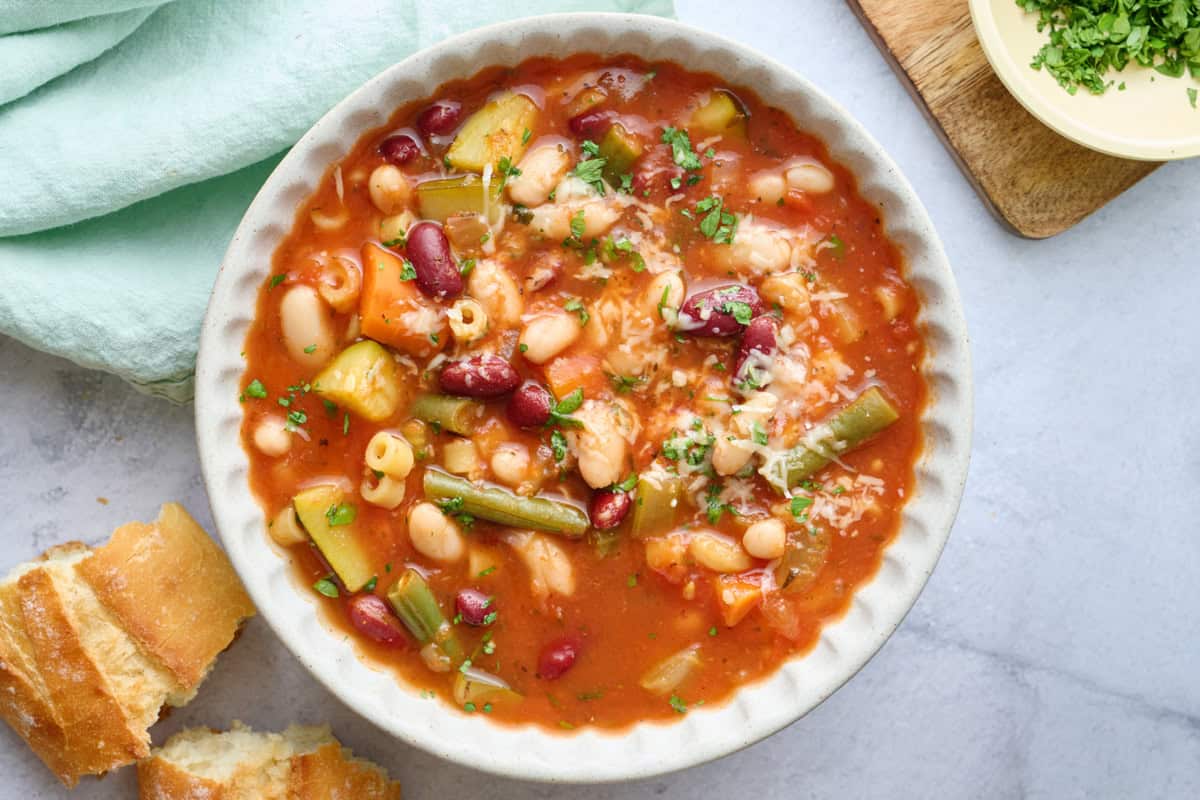
Imagine a steaming bowl of soup that’s not just warm and comforting, but also bursting with fresh flavors, vibrant colors, and wholesome goodness. Now imagine that soup is so incredibly satisfying, it makes you forget about any restaurant version you’ve ever loved. This is precisely what you’ll find in a bowl of homemade vegetarian minestrone soup – a hearty, healthy masterpiece that truly is better than Olive Garden.
Minestrone, a classic Italian vegetable soup, is the ultimate comfort food, perfect for any season. Packed with an array of fresh vegetables, protein-rich beans, and tender pasta, it’s a meal in itself. Making it from scratch is surprisingly easy and incredibly rewarding, offering a level of freshness and customization that store-bought or even renowned restaurant versions simply can’t match. Prepare to elevate your soup game and discover your new go-to recipe for feel-good nourishment.
Why Homemade Vegetarian Minestrone Reigns Supreme
The allure of a homemade Feel-Good Healthy Minestrone: Quick & Easy Recipe lies in its unparalleled freshness and the ability to tailor every aspect to your liking. Unlike pre-packaged options or even most restaurant fare, crafting your own allows for complete control over ingredients, ensuring a wholesome and delicious result.
The Freshness Factor: Beyond Restaurant Quality
When you choose to make your vegetarian minestrone soup at home, you unlock a world of superior flavor. You select the freshest, highest-quality produce available, often local and seasonal, which inherently tastes better and offers greater nutritional value. This stands in stark contrast to the often-processed, mass-produced ingredients found in many commercial soups. You dictate the amount of salt, sugar, and fat, making it a truly healthy option for you and your family.
Consider the difference between a perfectly ripe, vine-grown tomato and a canned, concentrate-based alternative. That vibrant, natural sweetness translates directly into a more robust and authentic soup base. Similarly, crisp, green spinach wilts beautifully into the broth, adding a fresh texture and color that frozen spinach often lacks.
Unbeatable Flavor and Customization at Your Fingertips
The beauty of minestrone is its incredible versatility. It’s a soup that practically invites you to experiment and make it your own. While classic ingredients often include carrots, celery, onion, zucchini, tomatoes, and spinach, there’s no strict rulebook. Feel free to:
- "Clean out your fridge" by adding any vegetables nearing their prime – think bell peppers, green beans, kale, or even a few florets of broccoli.
- Incorporate root vegetables like diced potatoes, sweet potatoes, or chunks of pumpkin and squash for added body and a touch of natural sweetness.
- Experiment with different types of beans – cannellini, kidney, great northern, or chickpeas all work wonderfully, adding protein and heartiness.
- Choose your liquid base: While a quality tomato juice or V8 offers a convenient and flavorful foundation, a rich marinara sauce can deepen the tomato notes, and vegetable broth is always a reliable staple.
This level of customization ensures that every bowl of your homemade vegetarian minestrone soup is exactly what you crave, every single time.
Crafting Your Perfect Vegetarian Minestrone Soup: A Step-by-Step Guide
Making a flavorful Perfect Vegetarian Minestrone: Tips for Flavor & Texture from scratch is a straightforward process. The key lies in layering flavors thoughtfully, ensuring each ingredient contributes to the overall deliciousness.
Building the Flavor Foundation: Aromatics and Spices
The secret to a truly deep and inviting flavor profile begins with your aromatics. In a large pot or Dutch oven, drizzle a little olive oil over medium heat. Add finely diced celery, carrots, and onion, seasoning generously with salt and pepper. Sauté these "holy trinity" vegetables for about 5-7 minutes until they begin to soften and become translucent. This initial step caramelizes their natural sugars, building a complex base.
Next, stir in minced garlic. Cook for another 1-2 minutes until fragrant, being careful not to let it burn, as burnt garlic can turn bitter. The aroma filling your kitchen at this stage is the first promise of the deliciousness to come!
Simmering to Perfection: Vegetables, Broth, and a Secret Touch
Once your aromatics are fragrant, it's time to add more substance. Incorporate diced zucchini and your chosen tomato base – whether it’s a quality tomato juice, V8, or canned crushed tomatoes. Pour in enough vegetable broth to reach your desired soup consistency. Stir in your favorite Italian seasonings (a blend of oregano, basil, thyme, and rosemary works wonders). This is also where a small but significant detail comes into play: a tiny pinch of brown sugar. This isn’t about making the soup sweet, but rather about balancing the acidity of the tomatoes and deepening the overall flavor profile. Do not substitute with white sugar, as brown sugar provides a richer, more nuanced sweetness.
Bring the mixture to a gentle simmer, then reduce the heat, cover, and let it cook for 15-20 minutes. This allows the vegetables to soften, and the flavors to meld beautifully. You want the vegetables to be tender but still retain a slight bite, preventing them from becoming mushy.
The Pasta Predicament: Achieving Al Dente Excellence
Adding pasta to minestrone can be a point of contention for many home cooks. The goal is perfectly al dente pasta that holds its shape, not a mushy, soup-thickening starch bomb. For this reason, we recommend a strategic approach:
- If cooking directly in the soup: Add small pasta shapes like ditalini, elbow macaroni, or red lentil fusilli (for extra protein and a gluten-free option) alongside the beans. Cook only until the pasta is al dente, typically 8-10 minutes, then remove the pot from the heat immediately. Keep a close eye on it, as gluten-free and lentil pastas can cook very quickly.
- For best results and meal prep: Cook the pasta separately according to package directions. Rinse it under cold water to stop the cooking process and prevent stickiness. Stir the cooked pasta into individual bowls of soup just before serving. This method ensures your pasta is always perfect and prevents the soup from becoming too thick or the pasta from turning to mush when stored.
The Grand Finale: Freshness and Finishing Touches
Just before serving, stir in delicate, quick-cooking vegetables like fresh spinach and frozen peas (or fresh green beans, cooked briefly). Remove the pot from the heat as soon as they are incorporated; the residual heat will gently wilt the spinach and warm the peas without overcooking them, preserving their vibrant color and nutrients.
Allow the vegetarian minestrone soup to rest for 5-10 minutes off the heat. This short resting period allows the flavors to deepen and harmonize even further. Ladle into bowls and garnish generously. Fresh herbs like chopped basil, parsley, or rosemary add a fragrant, aromatic finish. A sprinkle of grated Parmesan cheese (or nutritional yeast for a vegan option) provides a salty, umami kick that perfectly complements the rich broth. Serve with a thick slice of crusty bread or warm garlic bread for dipping.
Pro Tips for an Unforgettable Vegetarian Minestrone
Elevating your homemade vegetarian minestrone soup from good to unforgettable often comes down to a few key insights and practices.
Embrace Vegetable Variety and Seasonality
While convenience can be tempting, always prioritize fresh produce for the best flavor and texture. Frozen vegetables are a convenient fallback, but fresh simply can’t be beaten. Beyond the standard minestrone fare, consider these additions:
- Hearty Root Vegetables: Diced sweet potatoes, butternut squash, or even parsnips add a sweet, earthy depth and make the soup even more filling.
- Leafy Greens: Beyond spinach, try kale or chard. Add them towards the end, after the main simmer, allowing them to wilt but retain some texture.
- More Beans: Don't limit yourself to one type! A mix of cannellini, kidney, and chickpeas offers diverse textures and a protein boost.
The Art of the Broth Base
The liquid base is the backbone of your minestrone. While vegetable broth is standard, consider these options for adding unique depth:
- Rich Tomato Flavor: A high-quality jarred marinara sauce can be a fantastic shortcut to a deeply flavored tomato base, often already seasoned with herbs.
- Umami Boost: A splash of soy sauce or tamari (for gluten-free) can add a subtle umami note without making the soup taste Asian.
- Wine Power: Deglazing your pot with a splash of dry white wine after sautéing the aromatics adds complexity and brightness. Let it cook down for a minute or two before adding the broth.
Smart Batch Cooking and Storage
Minestrone is a fantastic soup for meal prepping, and often tastes even better the next day as the flavors deepen. However, if you plan to store leftovers, especially if pasta is included, consider these tips:
- Pasta Separation: To prevent mushy pasta, store the cooked soup base and cooked pasta separately. Combine them when reheating individual portions. This allows the pasta to remain al dente and prevents the soup from becoming overly thick.
- Cool Completely: Always allow the soup to cool completely before transferring it to airtight containers for refrigeration. This helps maintain freshness and food safety.
- Gentle Reheating: Reheat on the stovetop over low to medium heat, stirring occasionally. If the soup has thickened, add a splash of vegetable broth or water to reach your desired consistency.
Beyond the Bowl: Serving Suggestions
While crusty bread is a classic accompaniment, don't stop there! Consider serving your minestrone with:
- A simple side salad with a light vinaigrette.
- Garlic bread or cheesy breadsticks for extra indulgence.
- A dollop of pesto stirred into each bowl for a burst of fresh herb flavor.
- A sprinkle of red pepper flakes for those who enjoy a little heat.
With these tips, your homemade vegetarian minestrone soup will not only be better than Olive Garden but potentially the best you've ever had!
In conclusion, crafting your own homemade vegetarian minestrone soup is a culinary journey that promises incredible flavor, wholesome nutrition, and endless customization. By prioritizing fresh ingredients, mastering the art of layering flavors, and employing a few smart cooking techniques, you can create a soup that is undeniably better than any restaurant offering. It's a comforting, satisfying, and health-packed meal that will warm your soul and impress your palate. So, gather your vegetables, fire up your stove, and prepare to fall in love with the ultimate bowl of homemade goodness.
